Semiconductor Parts and Jigs from Vietnam Machine Shops
Send your drawing. We match it with shops in Vietnam that already run precision parts, jigs and fixtures for semiconductor lines. Reply within 24 business hours.
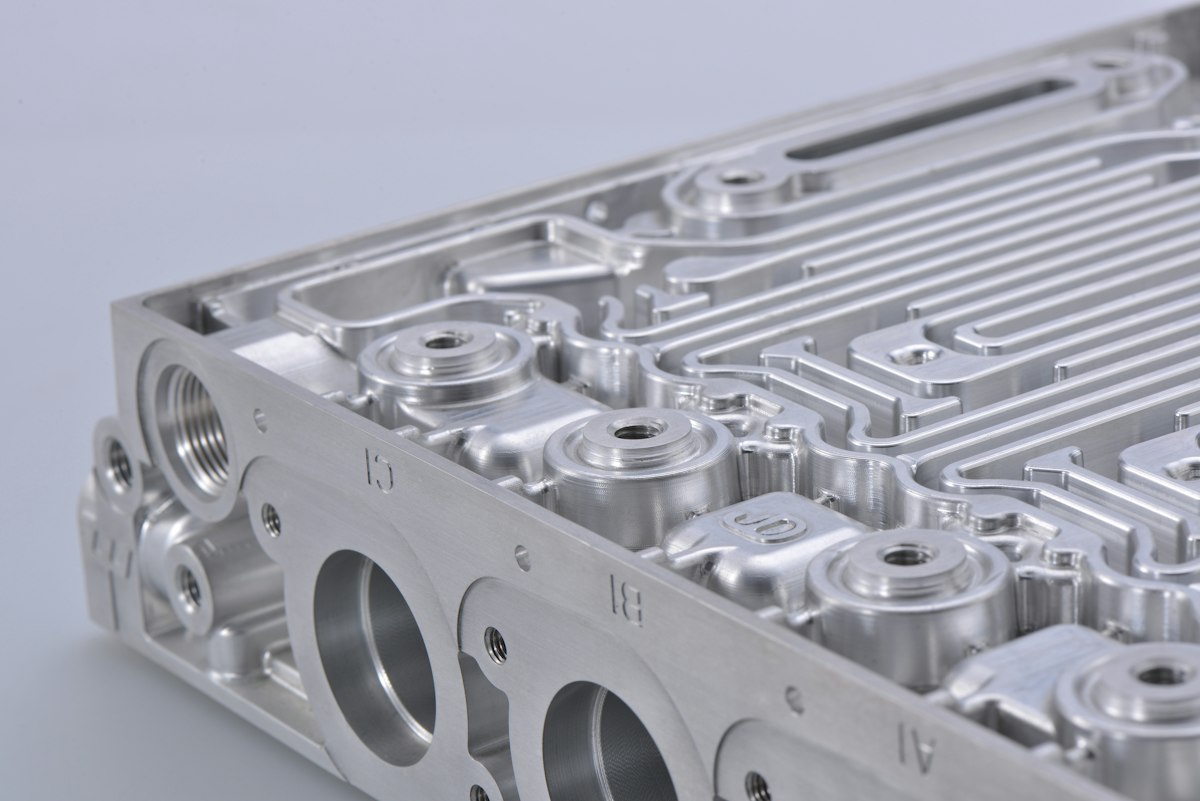
Is your part a semiconductor part or just a precision part?
The machining is often the easy half. What separates the two is cleaning, packing, finish control and the paperwork that travels with the part. Tick what applies to yours.
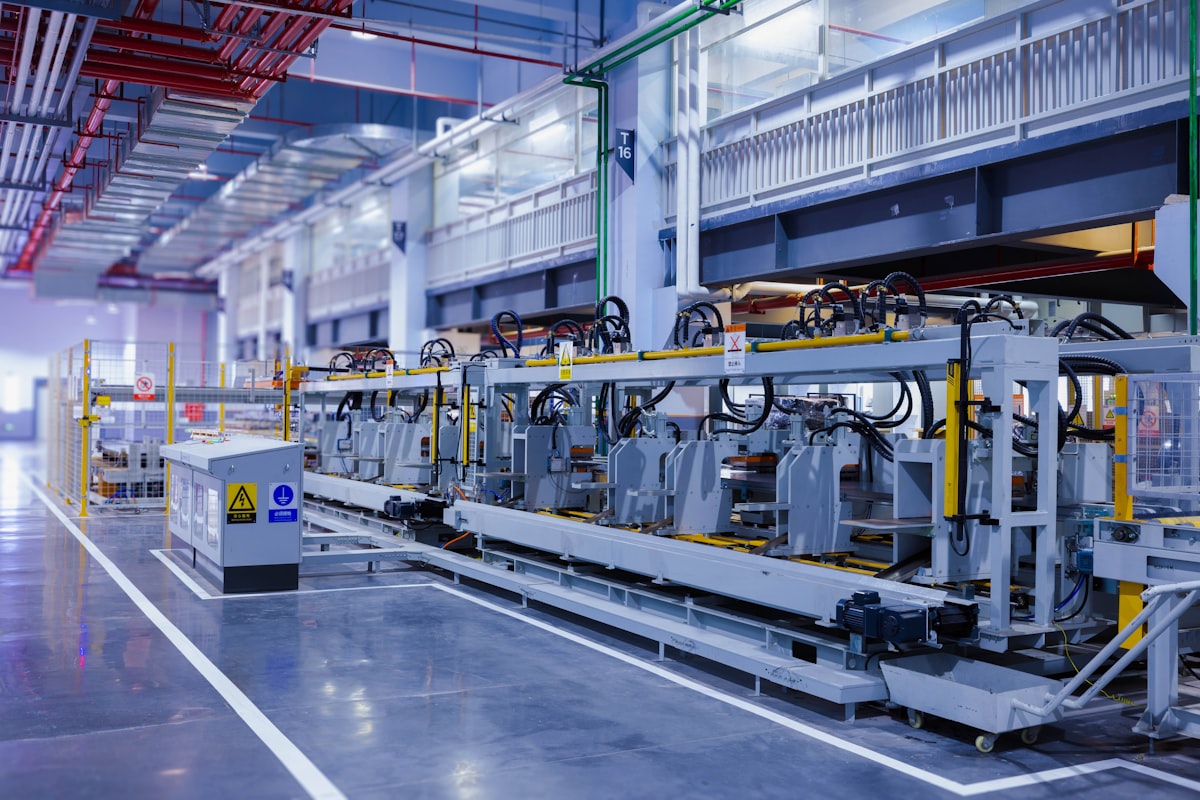
Parts buyers send us
- End effectors and wafer blades
- Load port and EFEM brackets
- Vacuum chamber parts and flanges
- Gas line brackets and manifolds
- Test, burn-in and probe jig plates
- Die attach and wire bond fixtures
- Handler and sorter change parts
- Equipment frames and weldments
Vietnam has a deep bench of shops serving electronics assembly, and a much thinner one for vacuum, plasma and cleanroom hardware. The point of the match is to tell those two groups apart before your drawing goes out.
Equipment parts or line parts?
Both are called semiconductor parts and they buy very differently. Saying which one you are in the RFQ changes the shops we send it to.
Equipment and chamber parts
Hardware for the tool itself, ordered by equipment makers and their subcontractors.
- Low quantity, high documentation, long qualification
- Vacuum, plasma and process chemistry decide the material and the finish
- Electropolish, hard anodize and passivation are usually mandatory
- Fewer shops in Vietnam can take this work today
Assembly and test line parts
Jigs, fixtures and change parts for assembly and test floors, including OSAT plants.
- Repeat orders on a fixed drawing, often on a short deadline
- Delivery and price consistency matter as much as tolerance
- ESD handling, marking and lot control come up more than vacuum specs
- Many shops here already run this work for electronics plants
Materials and tolerances
What to expect when a shop here quotes each material. These are typical ranges seen on this kind of work, not promises. The shop that quotes you confirms what it holds on your geometry.
| Material | What changes | Typical tolerance |
|---|---|---|
| Aluminum 6061 / 7075 | The workhorse for brackets, jig plates and EFEM hardware. Usually anodized clear or hard coat for cleanroom use. | ±0.01 to ±0.025 mm is common |
| Stainless 304 / 316L | Chamber hardware, flanges and anything wet. Passivated after machining, electropolished when particles matter. | ±0.01 to ±0.025 mm is common |
| Titanium Grade 2 / Grade 5 | Thermal hardware and parts where stainless is too heavy or reacts. Needs rigid setups and slow cuts. | ±0.015 mm is a safer target |
| PEEK, PTFE, POM | Insulators, liners and soft contact parts. Plastics move with heat and moisture, so the fixture decides the result. | ±0.05 mm is realistic for most plastics |
| Alumina and quartz | Ground or lapped, not milled. Very few shops here take it, so expect a longer search and a longer quote. | Quote case by case |
| Tool steel and hardened parts | Wear parts on handlers and change kits. Machined soft, then heat treated and ground. | Depends on the heat treat sequence |
Part families we match
Name the family in your RFQ. It tells us more about the right shop than the drawing number does.
Wafer handling
End effectors, blades, carriers and lift pins. Burrs and particle generation matter more than speed.
Chamber and vacuum
Housings, flanges, electrode holders and gas distribution parts. Leak tight bores and clean internal surfaces.
Test and assembly jigs
Probe and burn-in plates, die attach and wire bond fixtures, sockets carriers for OSAT lines.
EFEM and front end
Load port hardware, sensor mounts and alignment fixtures in anodized aluminum.
Frames and weldments
Machine bases, covers and cabinets. Large, welded, stress relieved and then finish machined.
Spares and change parts
Repeat wear parts for handlers, sorters and molding presses, usually reordered on a fixed drawing.
How it works
One RFQ from you. A short list of shops that fit. No bidding platform and no middleman on the order.
Send your RFQ
Upload a STEP file or PDF drawing and tell us material, quantity, tolerance, finish and packing. Takes about three minutes.
We match up to 3 shops
We read the drawing and pick shops whose machines, finishing and paperwork fit it. You hear from us within 24 business hours.
Shops quote you directly
Each shop contacts you with a quote. You compare, ask questions and place the order with the one you choose.
What drives the price
Five things decide most quotes on this kind of part. Two of them are usually written on your drawing and can be changed before you send it.
- Setup and programmingPaid once per order. On a jig plate or a one piece fixture it is most of the price.
- Finish and post processHard anodize, electropolish, passivation and plating are usually bought outside the shop. They add cost and days.
- Cleanliness and packingCleanroom cleaning, double bagging and a packing note are labour and consumables, not a free extra.
- Tolerance and inspectionA CMM report on every piece costs more than a first article plus sampling. Ask for what you will actually read.
- Quantity and repeatSetup spreads over the lot. A stated repeat schedule usually gets a better price than the same quantity ordered one lot at a time.
Have a drawing ready?
Send the short version now. We will ask for anything missing. If you prefer to give full details up front, use the full RFQ form.
Your files go only to the shops we match. Ask for an NDA and nothing is shared until it is signed.
Run a shop in Vietnam? Get RFQs that fit your machines.
Shops see a preview of each request before paying for it and talk to the buyer directly. We take no commission on the order.
Work with the part in front of you
Free working documents, no email address asked for. They are the same ones we use when reading an RFQ.
RFQ template
Every line a shop needs, with the eight buyers usually leave out marked.
Drawing checklist
Fourteen checks before a drawing goes out to quote. Runs in your browser.
Sourcing glossary
66 terms defined for the buyer rather than the process engineer.
Vietnam clusters
Where capacity sits, and what the region actually changes about your part.
How we match
The method in five steps, the shop criteria, and when we say no.
About this site
Who runs it, how it earns money and what it will not do.
Questions buyers ask
Something else? Email .
Do you machine the parts yourselves?
No. We are a matching service, not a machine shop. We read your RFQ and pass it to shops in Vietnam whose machines, finishing and paperwork fit the part. The shop quotes you, and you place the order with the shop.
Is this free for buyers?
Yes. Sending an RFQ and receiving quotes costs you nothing. Shops pay us for matched requests. Price, lead time and terms are agreed between you and the shop.
Who sees my drawing?
Shops first see a short preview with part family, material, size, quantity, tolerance and finish. The preview carries no name, company or files. Your contact details and drawings go only to the shops we match, up to 3. If you ask for an NDA, files stay with us until it is signed.
Can shops in Vietnam handle cleanroom and vacuum parts?
Some can and most cannot. The difference is not the milling, it is deburring, cleaning, packing and the paperwork that travels with the part. We ask for that evidence when a shop registers, and we match on it.
What should I send with the RFQ?
A STEP file plus a PDF drawing with tolerances, surface finish, finish type and any cleanliness or packing requirement. Say whether you need a first article inspection report and material certificates. Parts fail on those two more often than on machining.
How long does a quote take?
We reply within 24 business hours with matched shops, or with a plain no if the part is outside what the shops here do. Shop quotes usually follow within a few business days, longer when a finish has to be sourced outside the shop.
Guides for semiconductor buyers
- Choosing a Supplier
Sourcing Semiconductor Parts in Vietnam: What to Check Before You Send a Drawing
A checklist for buyers qualifying Vietnam machine shops for semiconductor parts, jigs and fixtures: capability, finishing chain, inspection, packing and export.
- Process
What Cleanroom Machining Actually Requires
Cleanroom machining is a process chain, not a room. What changes in deburring, cleaning, finishing and packing when a part goes into a fab or a test line.
- Choosing a Supplier
What to Put in an RFQ so the Quotes Are Comparable
The files, specs and terms that make machining quotes comparable, the eight things buyers leave out most often and how each omission moves the price you get.